
Table of Contents
Frankfurt has long been defined by its gleaming skyscrapers, stock exchanges, and corporate headquarters. Yet in recent decades, the city has evolved into much more than a financial hub. With a rich cultural scene, diverse neighborhoods, and plenty of surprises tucked between modern towers, Frankfurt now welcomes millions of travelers each year who come not only for business, but also for leisure.
The city’s dual character – businesslike yet charming, modern yet historical – is what makes it such a fascinating destination. Visitors quickly realize that Frankfurt offers as much cultural depth and authenticity as any German city, just with a slightly more international pace.
The Skyline and the Story Behind It
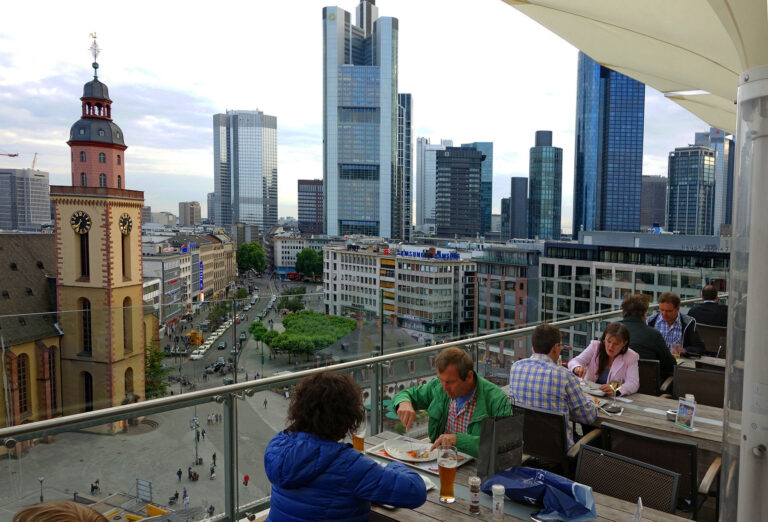
Frankfurt is often referred to as Mainhattan, a nod to its location on the River Main and its skyline reminiscent of New York. For many visitors, the first impression is dominated by the Commerzbank Tower and other skyscrapers that host major banks and corporations.
But the story behind these buildings goes deeper. Frankfurt rebuilt rapidly after World War II, prioritizing its role as Germany’s financial capital. This gave it a modern look unlike most other German cities. What might feel corporate at first glance actually reflects a fascinating urban evolution, with glass towers rising alongside cobblestone alleys and traditional timber-framed houses.
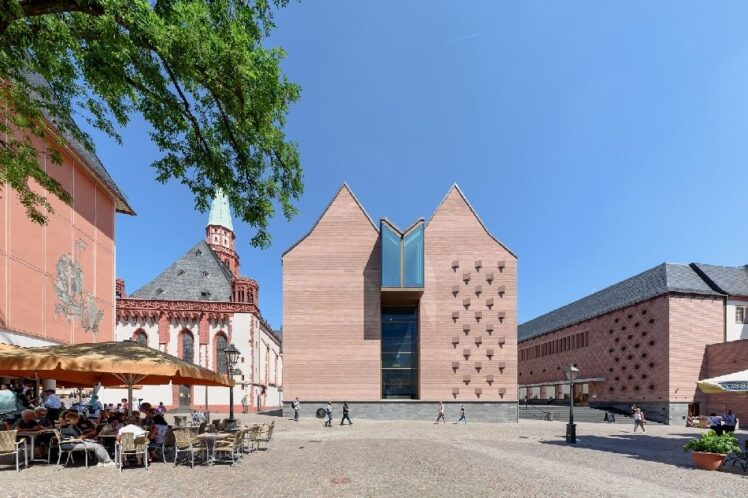
Walking tours often highlight this contrast: one moment you’re in front of the Deutsche Bank twin towers, the next you’re stepping into Römerberg Square, where medieval-style facades recreate the heart of the old town.
Where Business Meets Comfort ─ Staying Flexible in Frankfurt
For travelers who come to the city on business but also want to enjoy the cultural side, location and comfort are essential. This is where staying in an aparthotel Frankfurt makes perfect sense. An aparthotel combines the independence of an apartment with the convenience of a hotel — ideal for longer stays, trade fair visits, or anyone who wants flexibility.
Being based close to Messe Frankfurt, one of the world’s largest trade fair grounds, saves commuting time and makes it easy to balance professional commitments with sightseeing. With the skyline just outside your window and transport connections at your doorstep, you’re set up for both work and leisure.
Museums and Culture on the River Main
Frankfurt’s Museumsufer (Museum Embankment) is one of Europe’s most impressive cultural stretches. Along the riverbank, you’ll find a cluster of institutions ranging from the Städel Museum with its Old Masters and modern art to the German Film Museum and the Museum of Communication.
Visitors who love variety can purchase a museum pass and spend entire days exploring. The riverside location makes it even more pleasant, with parks and cafes providing breaks between exhibits. Beyond Museumsufer, Frankfurt also boasts the Alte Oper, a historic opera house where international performers appear regularly.
Notable stops include:
- Städel Museum – Home to art spanning seven centuries.
- German Architecture Museum – Showcasing design and urban planning.
- Schirn Kunsthalle – Renowned for temporary exhibitions.
Markets, Food, and Local Flavor
Frankfurt’s culinary culture is another layer of its appeal. While international dining is easy to find, traditional local flavors should not be missed.
- Kleinmarkthalle – This indoor market is a favorite for locals and tourists alike. Stalls sell everything from cheeses and sausages to international delicacies.
- Apple Wine Taverns (Apfelweinlokale) – Sachsenhausen, a district south of the river, is famous for its rustic taverns serving apple wine, a tart local specialty, along with hearty dishes like green sauce (Grüne Soße).
- Street Food & International Choices – Reflecting Frankfurt’s diverse population, you’ll find authentic Turkish bakeries, Japanese ramen shops, and global street food just a short walk from the banking district.
Green Spaces and Outdoor Highlights
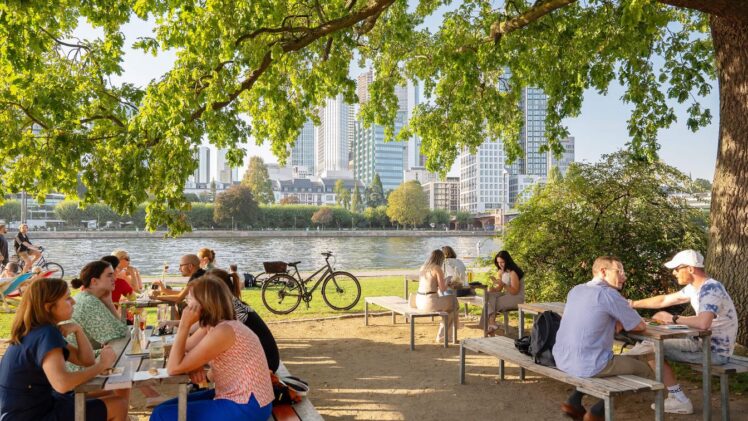
Despite its corporate identity, Frankfurt offers many opportunities to relax in nature. Palmengarten, a botanical garden, is one of the most beloved spots in the city, offering exotic plants and peaceful walking trails.
Nearby, the city forest (Frankfurter Stadtwald) provides cycling paths and fresh air, while the River Main itself offers boat cruises with stunning skyline views. For families, the Frankfurt Zoo adds another layer of attraction, located conveniently near the city center.
Conclusion ─ More Than a Financial Hub
Frankfurt has successfully shed its image of being just a stopover city or a place for bankers. Today, it’s a destination where culture, history, and modern life intersect. Its museums, markets, and green spaces offer plenty for leisure travelers, while its international atmosphere makes visitors feel welcome.
For many, the surprise lies in discovering that Frankfurt can feel both efficient and warm, both global and distinctly local. It’s this balance that has turned the city into not only a financial powerhouse, but also a favorite among tourists looking for a well-rounded German experience.