
Table of Contents
Moving across the country can be an exciting new chapter, but it also comes with its fair share of challenges. Among the many items that require special attention during a move, delicate clothing is often overlooked. Silk blouses, lace lingerie, cashmere sweaters, formal dresses, and other fragile garments can easily become damaged if they are not packed and transported correctly. Taking a few extra precautions can help ensure your favorite pieces arrive at your new home in excellent condition.
Sort and Assess Your Wardrobe
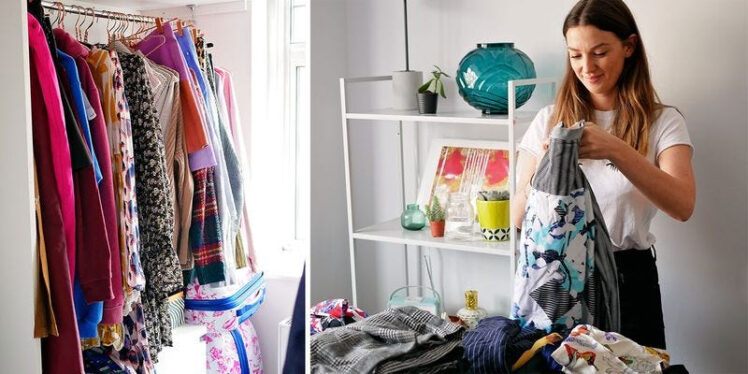
Before packing, take the opportunity to sort through your clothing collection. Separate delicate items from everyday garments and identify pieces that require special care. This process not only helps you stay organized but also reduces the risk of delicate fabrics being crushed or snagged by heavier clothing during transit.
Consider donating or selling items you no longer wear. A lighter wardrobe means fewer items to pack and less chance of damage during the move.
Clean Clothes Before Packing
It may be tempting to pack everything as it is, but cleaning delicate garments before moving is essential. Stains that seem minor can become more difficult to remove over time, especially if clothing remains packed for several weeks.
Make sure all delicate items are freshly laundered or professionally cleaned according to their care instructions. Clean garments are also less likely to develop odors or attract pests while in storage or transit.
Use Proper Packing Materials
The right packing materials can make a significant difference in protecting delicate clothing. Acid-free tissue paper is particularly useful for preventing wrinkles and preserving the shape of garments. Place tissue paper between folds to reduce creasing and friction.
For especially valuable items, consider using breathable garment bags. These bags help shield clothing from dust, moisture, and accidental snags while allowing air circulation.
Avoid using plastic bags for long-term storage, as they can trap moisture and potentially damage delicate fabrics.
Pack by Fabric Type
Different fabrics require different handling techniques. Silk, lace, satin, and other delicate materials should be packed separately from heavier items such as jeans, coats, and shoes. Grouping similar fabrics together reduces the risk of abrasion and prevents unnecessary pressure on fragile garments.
For lingerie and delicate undergarments, use small packing cubes or dedicated storage containers to help maintain their shape and prevent tangling.
Minimize Wrinkles and Creases
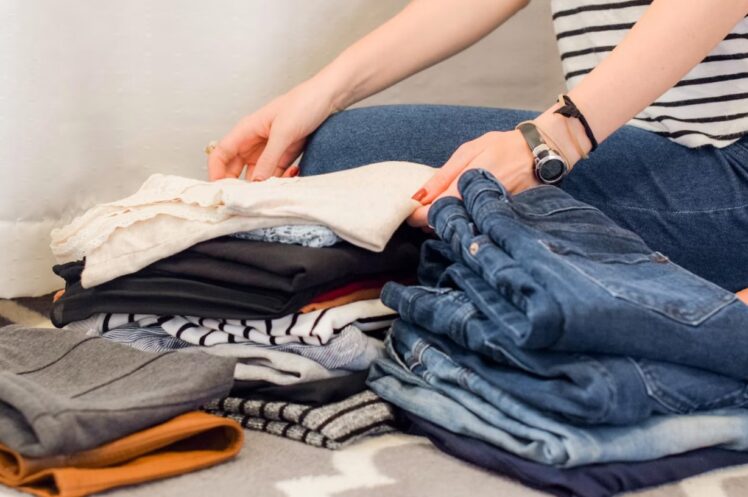
Folding delicate clothing carefully is essential. Avoid overstuffing boxes, as excess pressure can create deep wrinkles and potentially damage fabric fibers. For formal dresses, suits, and designer garments, wardrobe boxes are often the best solution.
These specialized boxes allow clothing to remain hanging throughout the move. If wardrobe boxes are not available, gently fold garments with tissue paper placed between layers to reduce friction and creasing.
Protect Against Moisture
Cross-country moves often expose belongings to varying weather conditions. Moisture can lead to mildew, discoloration, and fabric damage. Consider placing moisture-absorbing packets inside clothing boxes, particularly if your move involves humid regions or temporary storage.
Ensure all boxes are sealed properly while still allowing delicate garments to breathe when necessary.
Coordinate Your Moving Logistics Early
When planning a long-distance move, it’s important to think beyond packing boxes. Managing multiple aspects of a relocation at once can quickly become overwhelming, especially when you’re trying to protect valuable or delicate belongings. One way many movers simplify the process is by arranging transportation for their vehicle separately.
For example, if your move involves Texas, exploring professional Houston car shipping options can help reduce the number of details you need to handle during the move itself.
Having your vehicle transported by a professional carrier allows you to focus on organizing, packing, and safeguarding fragile items such as speciality clothing, formalwear, and designer pieces. It can also eliminate the stress of a lengthy drive, particularly when you’re already coordinating movers, housing arrangements, and travel plans.
Booking transportation services in advance is especially helpful during peak moving seasons, when availability may be limited. Taking care of these logistics early can make the entire relocation process feel more manageable and give you greater peace of mind as moving day approaches.
Unpack Promptly Upon Arrival

Once you arrive at your destination, unpack delicate clothing as soon as possible. Hanging garments immediately helps eliminate wrinkles and allows fabrics to regain their natural shape. Inspect each item for any signs of damage and address minor issues before they become permanent.
For garments that have developed wrinkles during transit, consider using a steamer rather than an iron, especially for delicate fabrics such as silk, lace, and satin.
Steam can gently relax fibers without exposing them to direct heat, reducing the risk of damage. If professional cleaning is required, schedule it soon after your move to restore garments to their best condition.
A prompt unpacking process also gives you the opportunity to organize your wardrobe efficiently in your new space. Take advantage of the fresh start by arranging clothing according to season, fabric type, or frequency of use.
Proper storage solutions, such as padded hangers, breathable garment bags, and drawer organizers, can help maintain the quality of delicate items long after the move is complete.
By taking the time to unpack carefully and inspect each piece, you’ll ensure that your favorite garments remain in excellent condition and are ready to wear whenever you need them.
Final Thoughts
Protecting delicate clothing during a cross-country move requires careful planning, proper packing materials, and attention to detail. By cleaning garments beforehand, using appropriate storage solutions, and packing fabrics correctly, you can significantly reduce the risk of damage.
Whether you’re moving for a new job, a lifestyle change, or a fresh start, taking extra care with your wardrobe will help ensure your favorite pieces arrive looking just as beautiful as they did before the journey.