

Table of Contents
Stress is something everyone experiences at different points in life. Whether it’s caused by work, family responsibilities, financial pressures, or unexpected life events, prolonged stress can take a serious toll on both your physical and mental health.
While short-term stress can sometimes motivate us to perform better, ongoing stress may lead to anxiety, poor sleep, fatigue, headaches, muscle tension, and even long-term health conditions if left unmanaged.
The good news is that there are many effective ways to relieve stress and regain a greater sense of balance.
By making small, consistent changes to your daily routine, you can strengthen your resilience and improve your overall wellbeing. Here are some practical strategies that can help you reduce stress and feel calmer every day.
Understand What Is Causing Your Stress
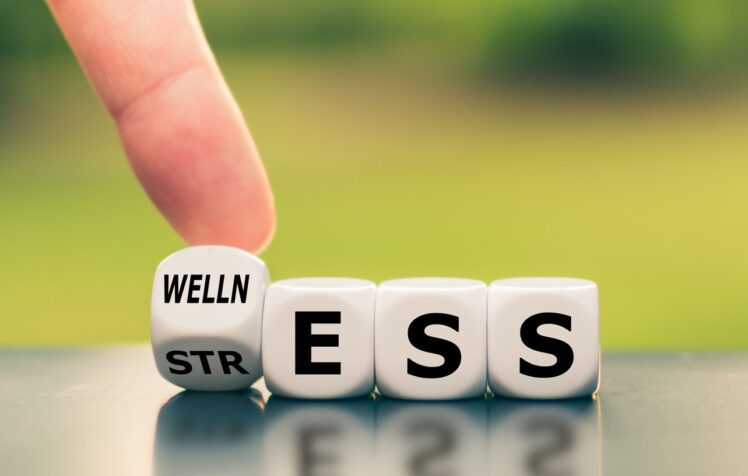
The first step towards managing stress is identifying what’s triggering it. Everyone responds differently to challenging situations, so taking time to recognize your personal stressors can make a significant difference.
Consider keeping a journal where you record situations that leave you feeling overwhelmed, anxious, or frustrated. Over time, you may notice patterns, such as work deadlines, financial worries, relationship difficulties, or simply taking on too many commitments.
Once you understand your triggers, it becomes much easier to develop healthier ways of responding to them. While you may not be able to remove every source of stress, you can often change how you approach challenging situations.
Make Regular Exercise a Priority

Physical activity is one of the most effective natural stress relievers available. Exercise encourages the release of endorphins, which are chemicals produced by the brain that help improve mood and reduce feelings of stress and anxiety.
You don’t need to spend hours at the gym to experience the benefits. Activities such as brisk walking, cycling, swimming, dancing, yoga, or even gardening can all help reduce tension while improving cardiovascular health and increasing energy levels.
Aim for at least 30 minutes of moderate exercise on most days of the week. Even short bursts of movement throughout the day can help clear your mind and improve your emotional wellbeing.
Improve the Quality of Your Sleep
Stress and poor sleep often go hand in hand. When you’re feeling anxious, falling asleep can become difficult, while insufficient sleep can make stressful situations feel even harder to manage.
Creating a healthy bedtime routine can significantly improve sleep quality. Try to go to bed and wake up at the same time each day, avoid using electronic devices shortly before bedtime, and keep your bedroom cool, dark, and quiet.
Reducing caffeine during the afternoon and evening can also make it easier to fall asleep. Quality sleep gives both your body and mind the opportunity to recover, making it easier to cope with daily challenges.
Practice Mindfulness and Relaxation Techniques

Mindfulness encourages you to focus your attention on the present moment rather than worrying about future events or dwelling on the past. This simple practice can help interrupt the cycle of anxious thoughts that often accompanies stress.
Deep breathing exercises are another effective way to calm the nervous system. Taking slow, controlled breaths signals your body to relax, helping to reduce muscle tension and lower your heart rate.
Many people also benefit from meditation, progressive muscle relaxation, guided visualization, or gentle yoga. Practicing these techniques for just 10 to 15 minutes each day can gradually improve your ability to manage stress more effectively.
Eat a Balanced Diet
What you eat has a greater impact on your mental wellbeing than many people realize. A balanced diet provides the nutrients your brain and body need to function properly, while excessive sugar, processed foods, and caffeine may contribute to mood swings and increased anxiety.
Aim to include plenty of fruit, vegetables, whole grains, lean protein, healthy fats, and adequate hydration throughout the day.
Regular meals also help maintain stable blood sugar levels, preventing energy crashes that can leave you feeling more irritable or overwhelmed.
Small improvements to your diet can support both your physical health and your ability to cope with everyday pressures.
Stay Connected with Friends and Family

When life becomes stressful, many people withdraw from others. However, maintaining strong social connections is one of the most valuable ways to protect your mental health.
Talking openly with trusted friends or family members can provide reassurance, practical advice, or simply someone willing to listen. Sometimes expressing your thoughts aloud can help put stressful situations into perspective.
If you’re unable to meet people in person, phone calls or video chats can still provide valuable emotional support. Building a reliable support network makes it easier to face life’s challenges with greater confidence.
Set Healthy Boundaries
One of the most common causes of stress is taking on too many responsibilities. Whether at work or at home, constantly saying yes to every request can quickly lead to exhaustion and burnout.
Learning to set realistic boundaries is an important part of protecting your wellbeing. Prioritize essential tasks, delegate where possible, and accept that it’s perfectly reasonable to decline additional commitments when your schedule is already full.
Make Time for Activities You Enjoy

Stress often causes people to neglect hobbies and activities that bring them happiness. However, regularly making time for enjoyable pursuits provides an important mental break from everyday pressures.
Reading, painting, gardening, cooking, photography, music, crafts, or spending time in nature can all help reduce stress by shifting your focus towards something positive and rewarding.
Even setting aside just 20 minutes each day for an activity you genuinely enjoy can improve your mood and provide valuable relaxation.
Seek Professional Support When Needed
Sometimes stress becomes difficult to manage alone, particularly if it begins affecting your relationships, work performance, sleep, or overall quality of life. Seeking professional support is a positive step towards improving your mental wellbeing.
Qualified therapists can help you understand your stress responses, develop healthier coping strategies, and address the underlying causes of ongoing anxiety or emotional overwhelm.
If you’re looking for a holistic approach that considers both physical and emotional wellbeing, Brain Body Therapy offers support designed to help individuals better manage stress and build long-term resilience.
Seeking help early can often prevent stress from developing into more serious mental health concerns.
Focus on What You Can Control

Many sources of stress arise from situations outside our control. While it’s natural to worry, constantly focusing on things you cannot change often increases anxiety without improving the situation.
Instead, direct your energy towards actions you can influence. Break larger problems into smaller, manageable steps, celebrate small achievements, and remind yourself that progress is often gradual rather than immediate.
Developing a solution-focused mindset can help you feel more confident and capable when facing life’s challenges.
Final Thoughts
Stress is an unavoidable part of life, but it doesn’t have to dominate your daily experience. By identifying your stress triggers, exercising regularly, improving your sleep, eating well, practicing mindfulness, maintaining supportive relationships, setting healthy boundaries, and seeking professional support when needed, you can significantly improve both your mental and physical wellbeing.
Managing stress isn’t about eliminating every challenge from your life. Instead, it’s about building healthy habits that allow you to respond more calmly and confidently when difficulties arise.
Even small lifestyle changes can make a meaningful difference over time, helping you feel more balanced, resilient, and better equipped to enjoy life despite its inevitable ups and downs.